

to Cuba and beyond
tailored
Cuban adventure
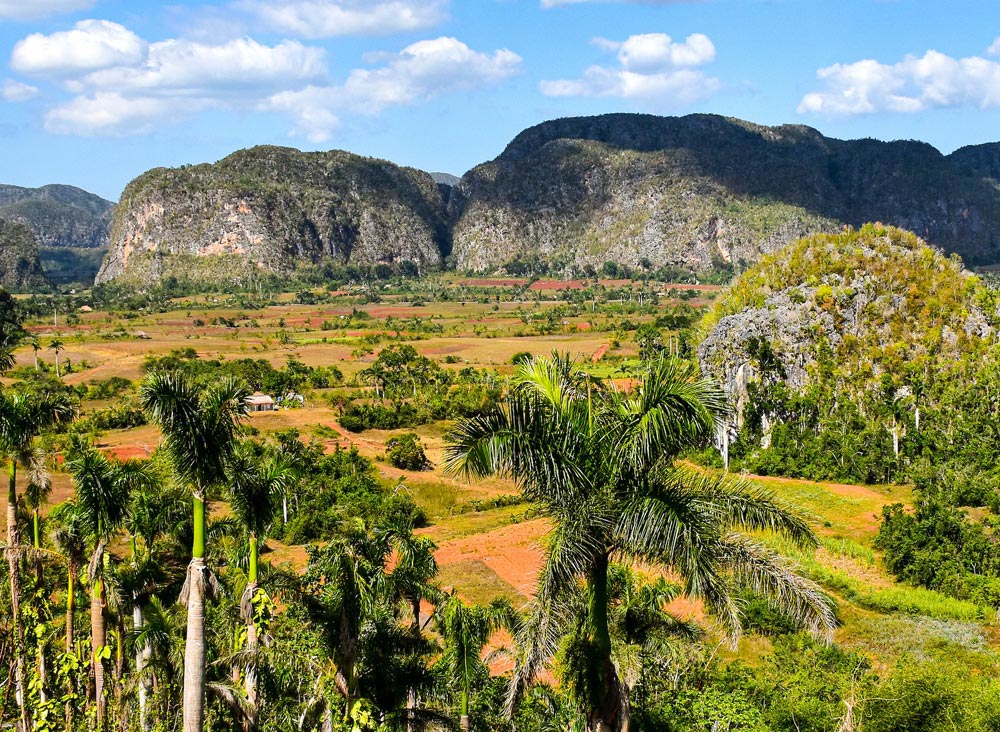
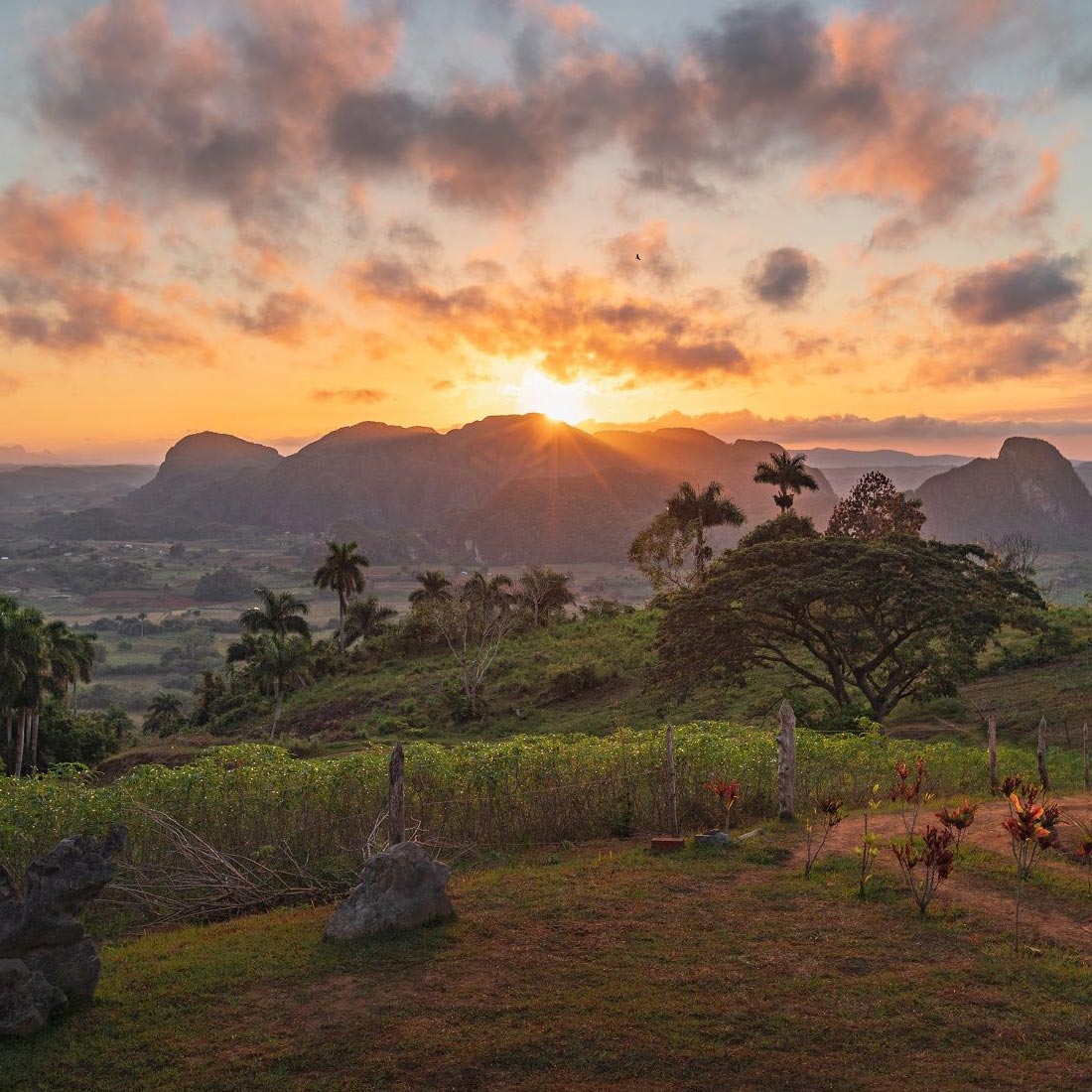
UNESCO World Heritage site
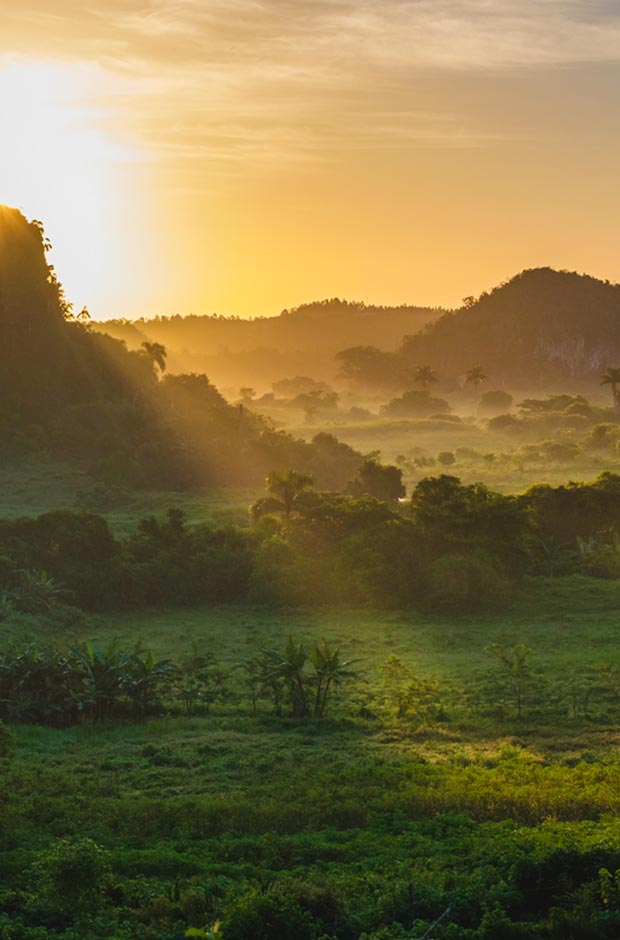
of Vinales Valley
Dramatic Landscapes
Tailored and flexible journeys
We create completely tailored, flexible special journeys through Cuba and beyond, and are totally focused on providing unique experiences and cuba travel advice. We have personally tried and tested our hand-picked recommendations and have drawn on our experience to create truly unique travel options.
Our Handcrafted Escorted Tours
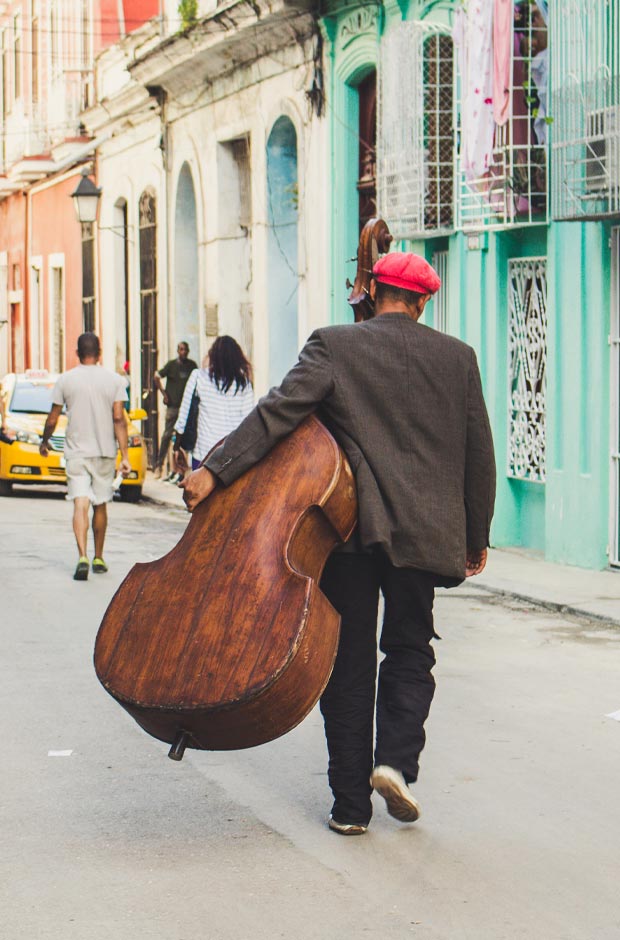
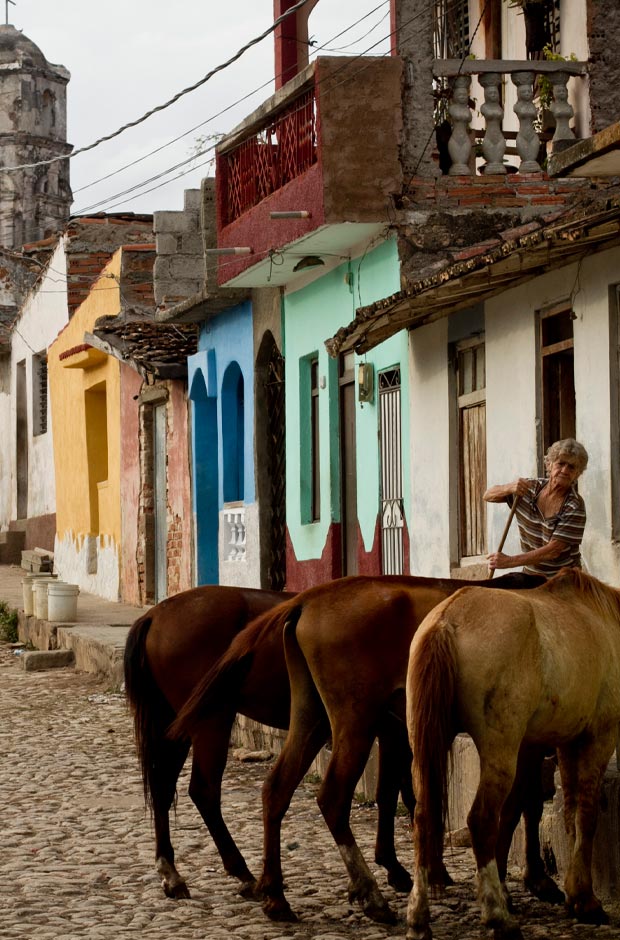
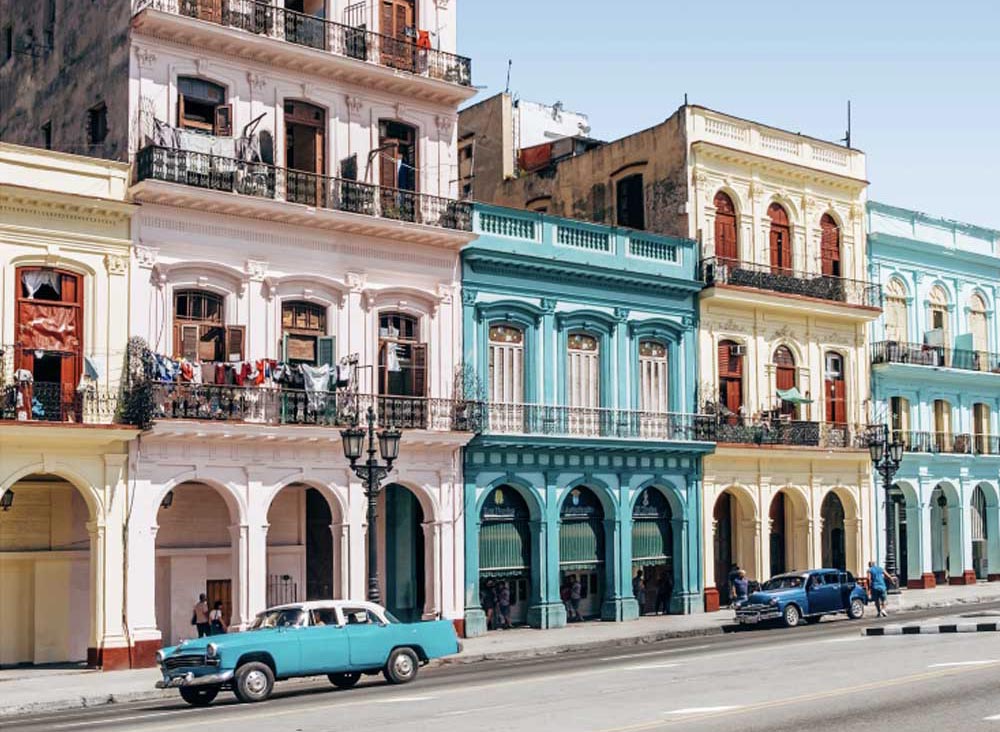
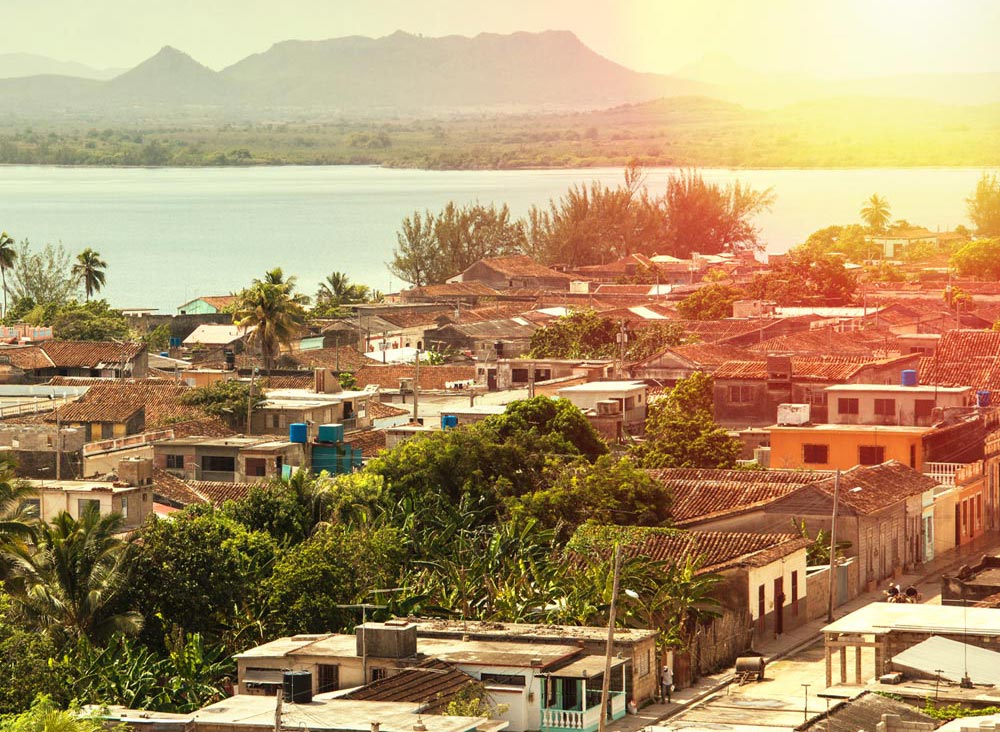
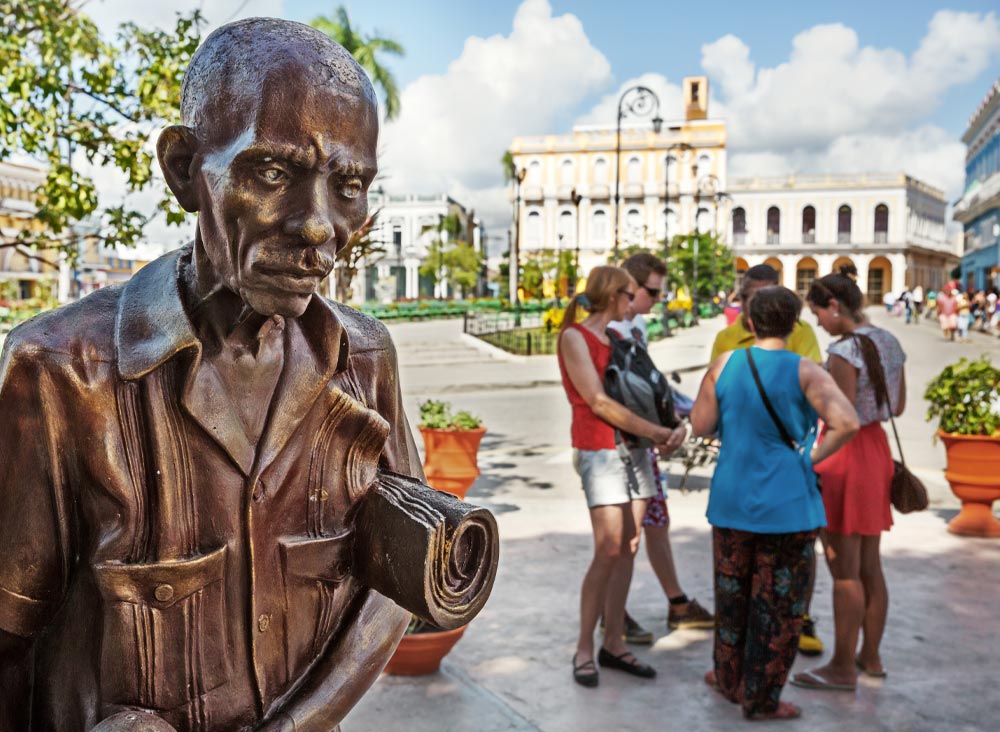
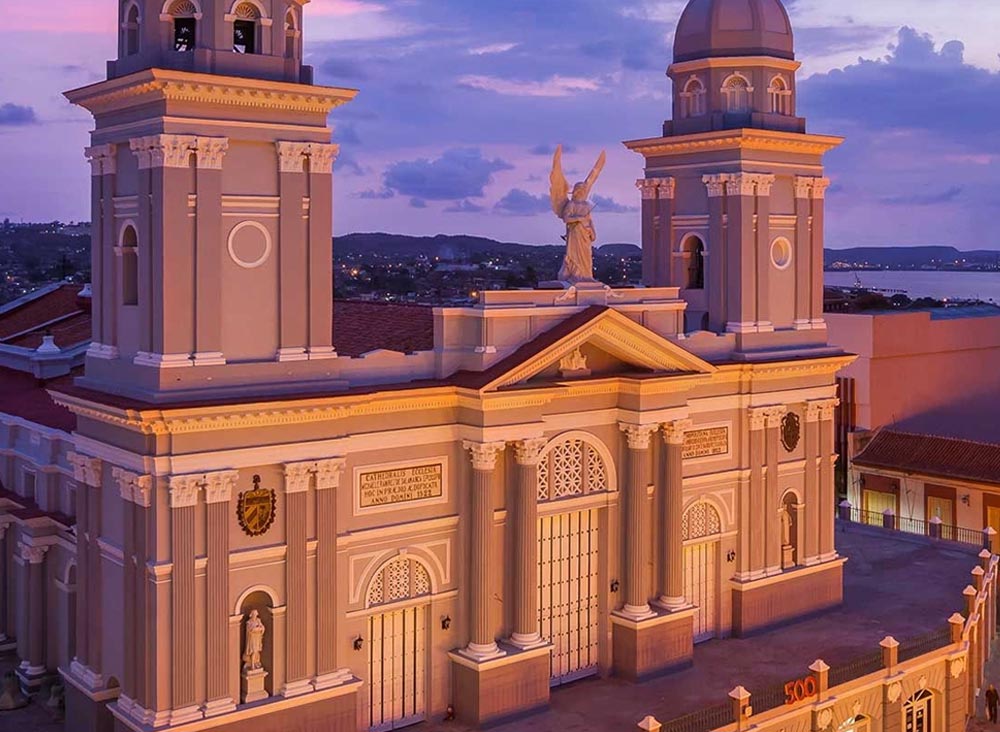
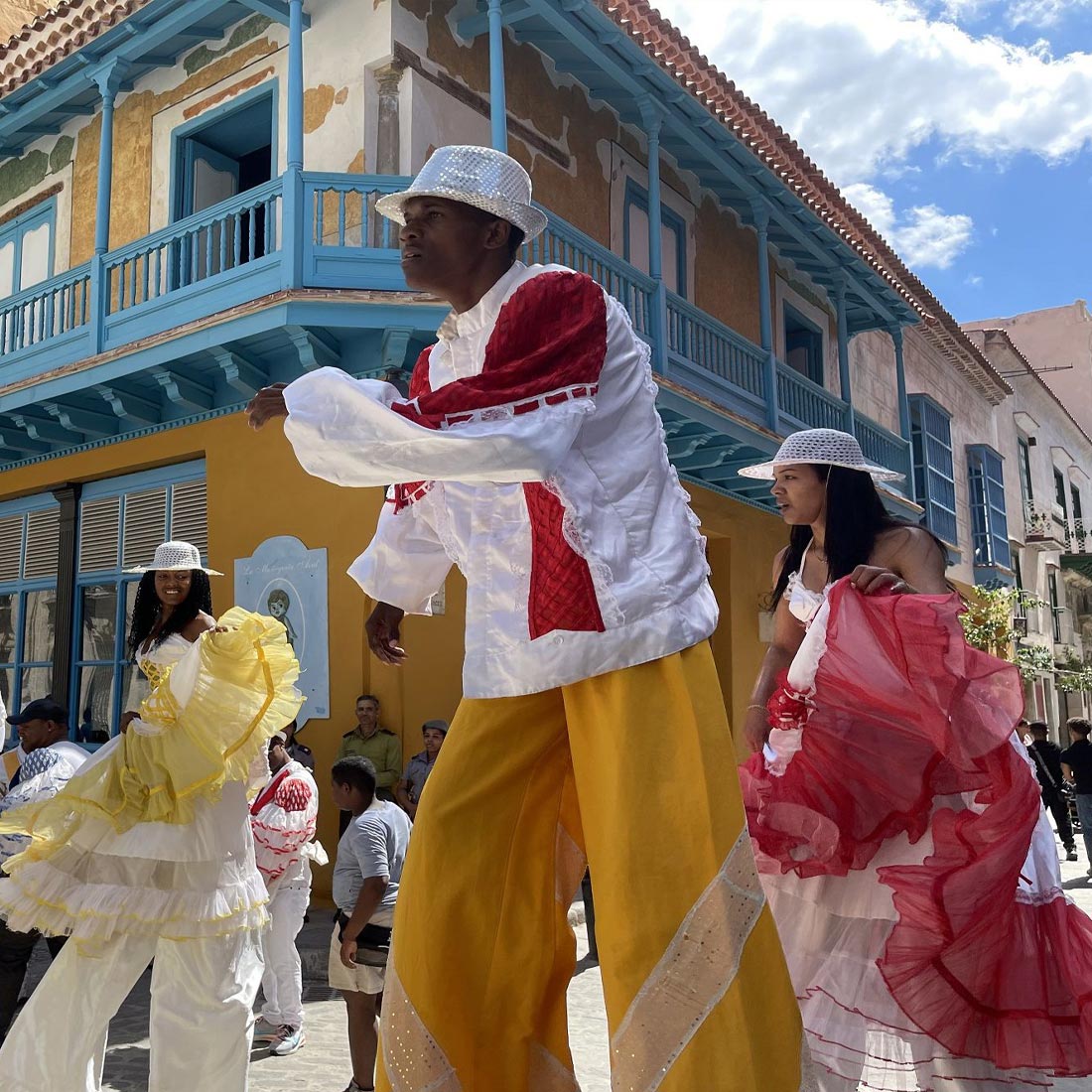
With numerous UNESCO World Heritage sites, historic towns and cities, spectacular landscapes and the world’s most unique capital city of Havana, a fantastic way to make the most from so many experiences is through a group escorted tour. Led by an experienced and professional English-speaking guide, who will not only show you the most important sights but will also immerse you into the fascinating life of Cubans, the political and social environment and what life is really like in Cuba.
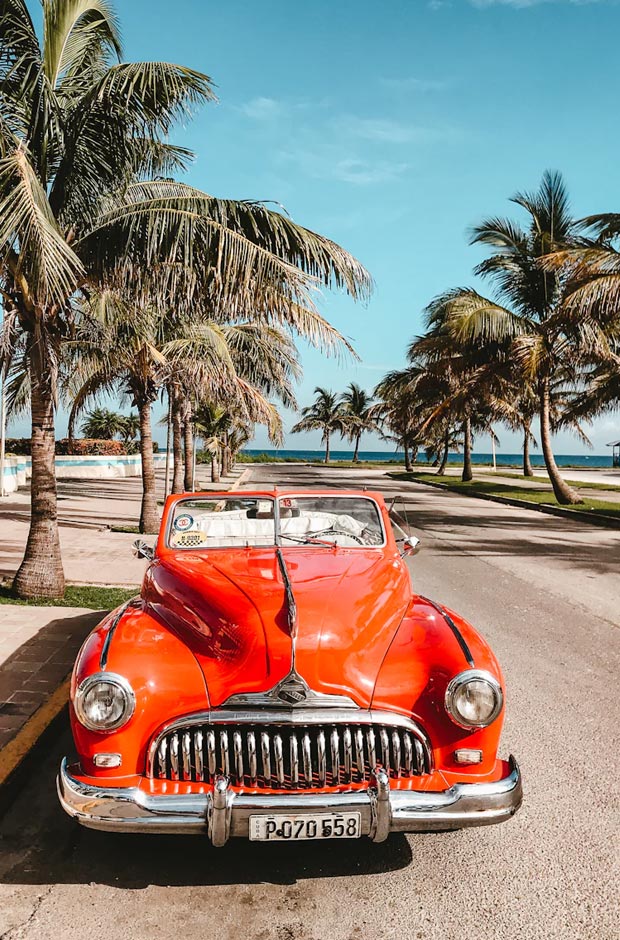
Tailormade Holidays
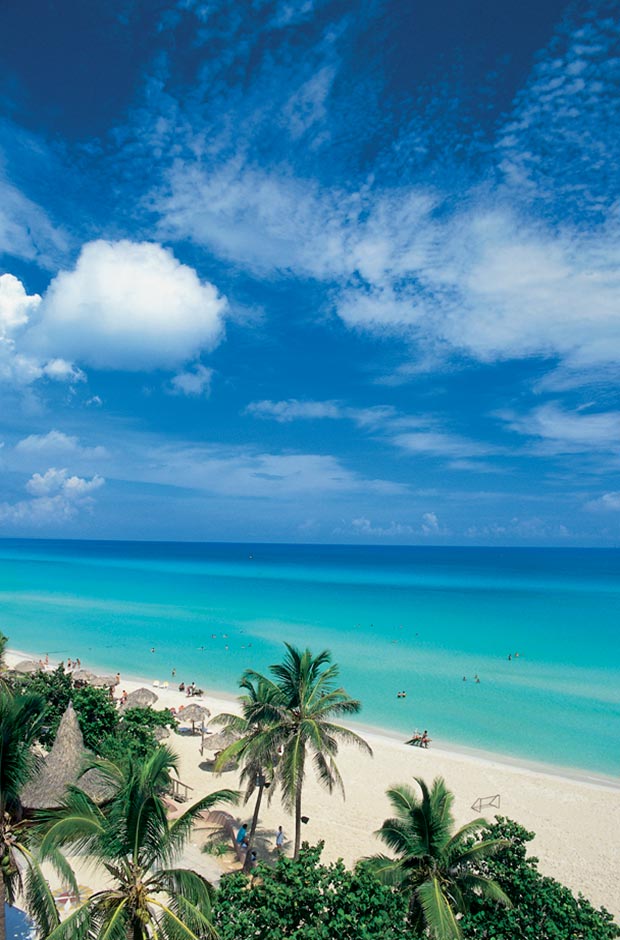
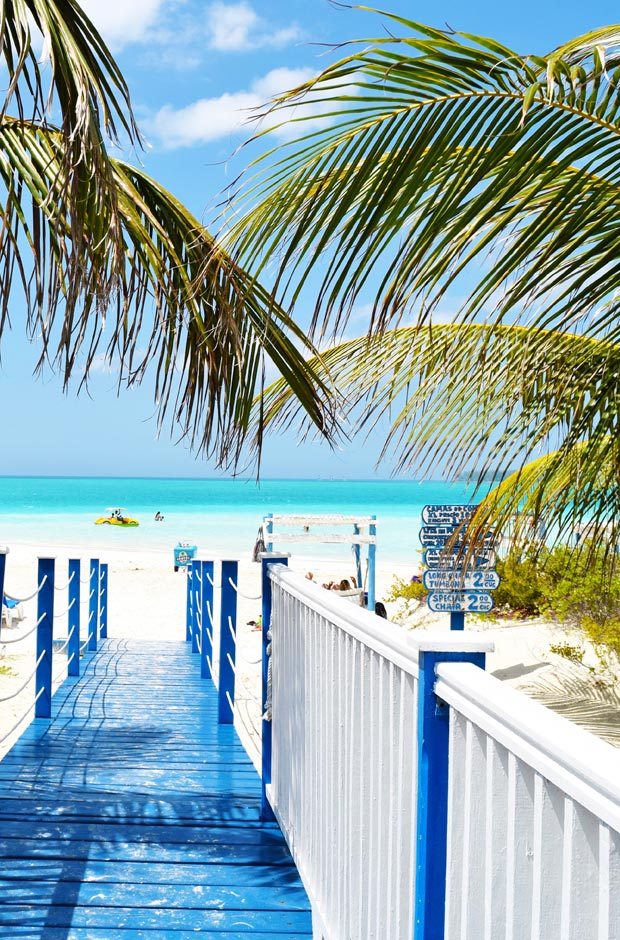
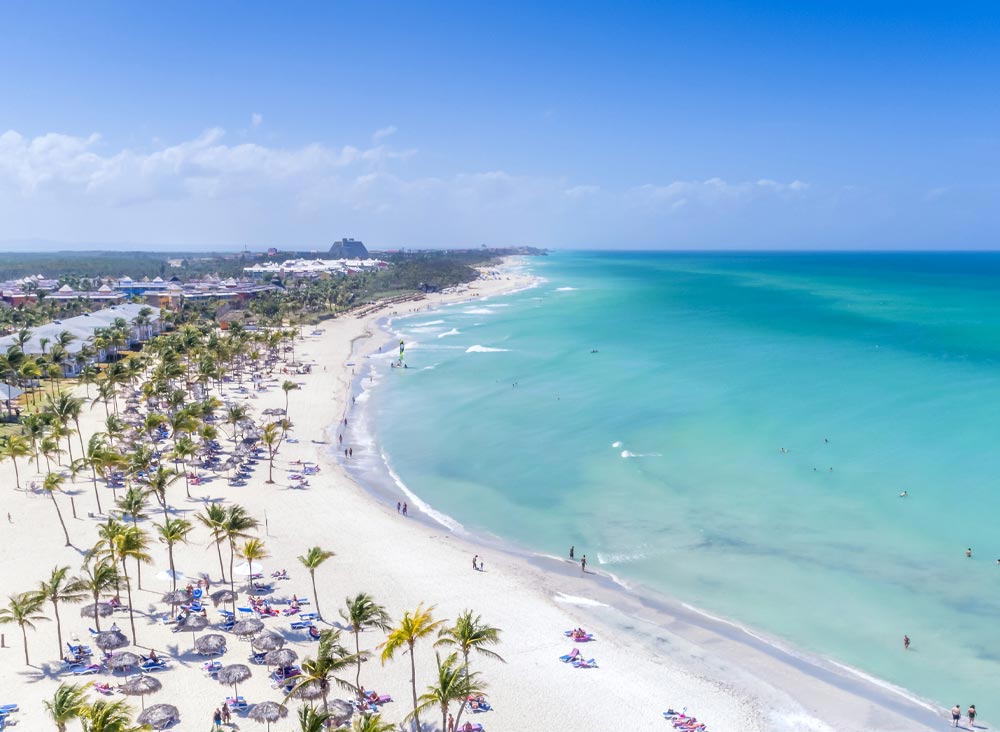
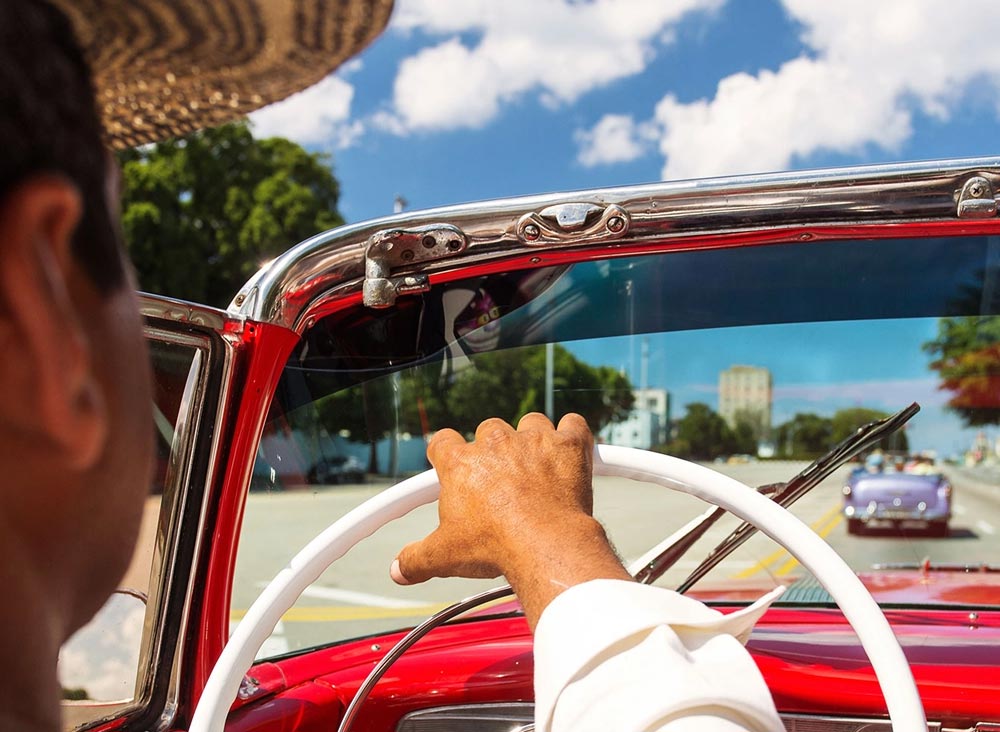
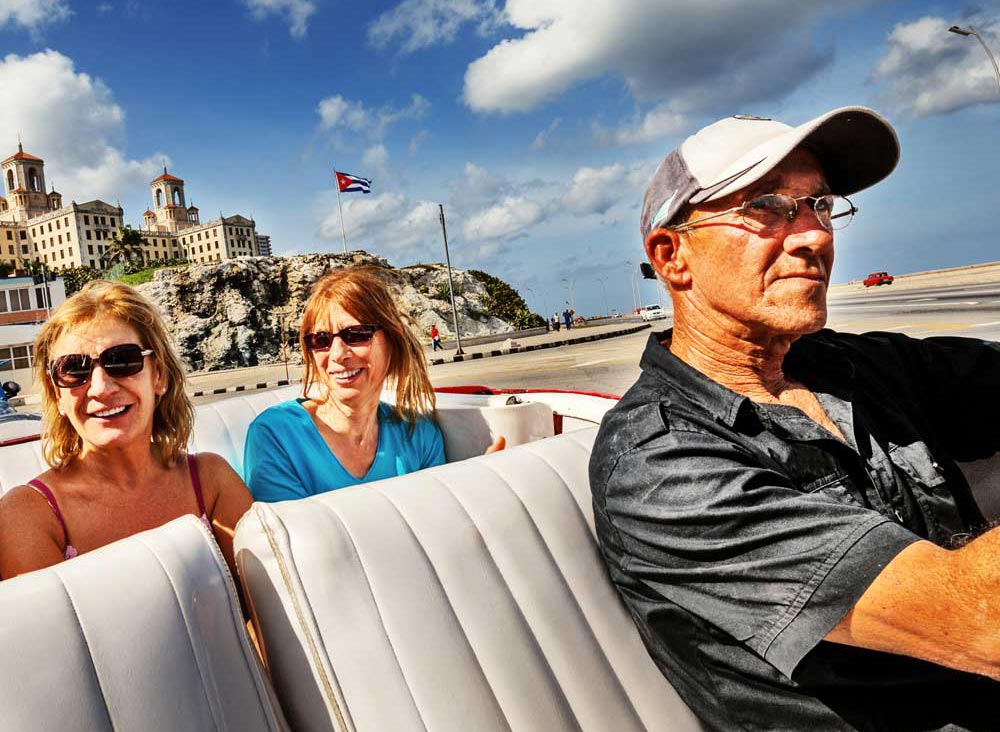
Whatever your reason for travel, from diving, sailing or adventure, to immersing yourself in a totally different culture, Cuba is the ultimate destination. The island’s wonderfully varied landscapes and huge range of choices allow us to hand-craft fantastic personalised journeys.
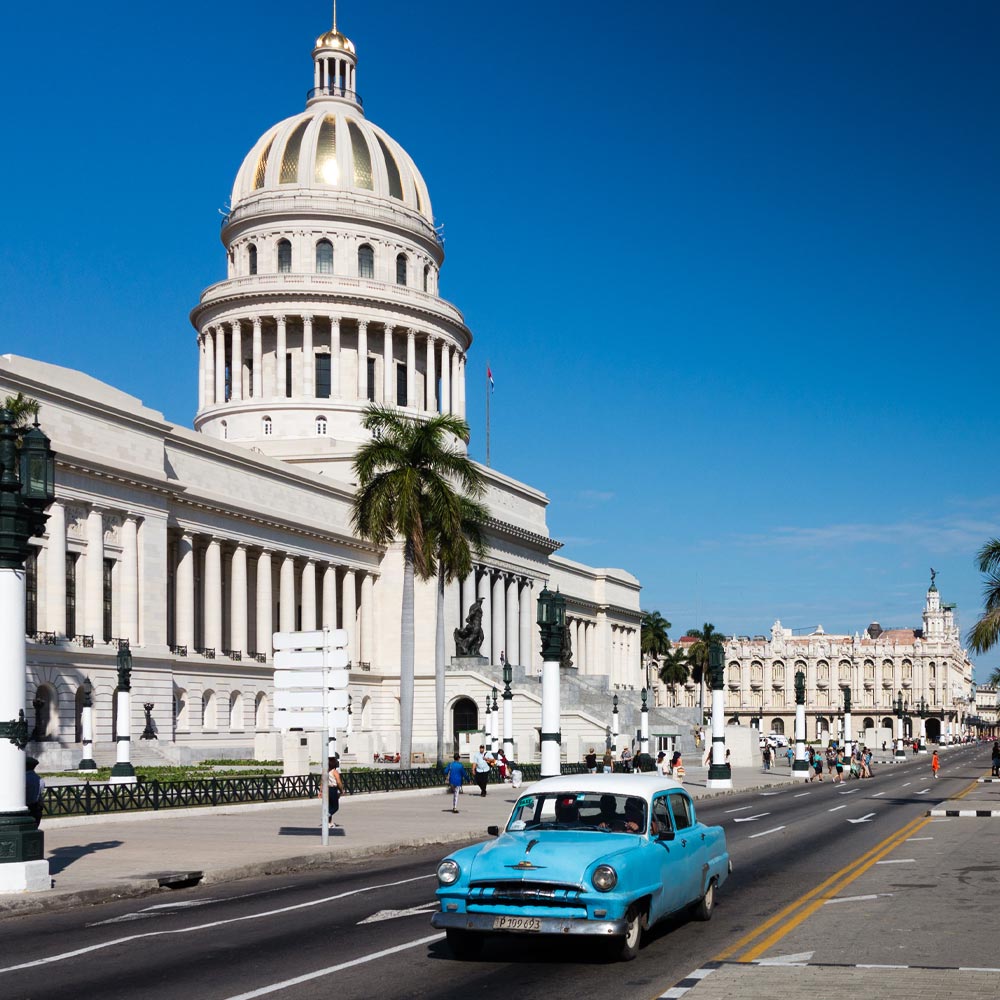
From our blog
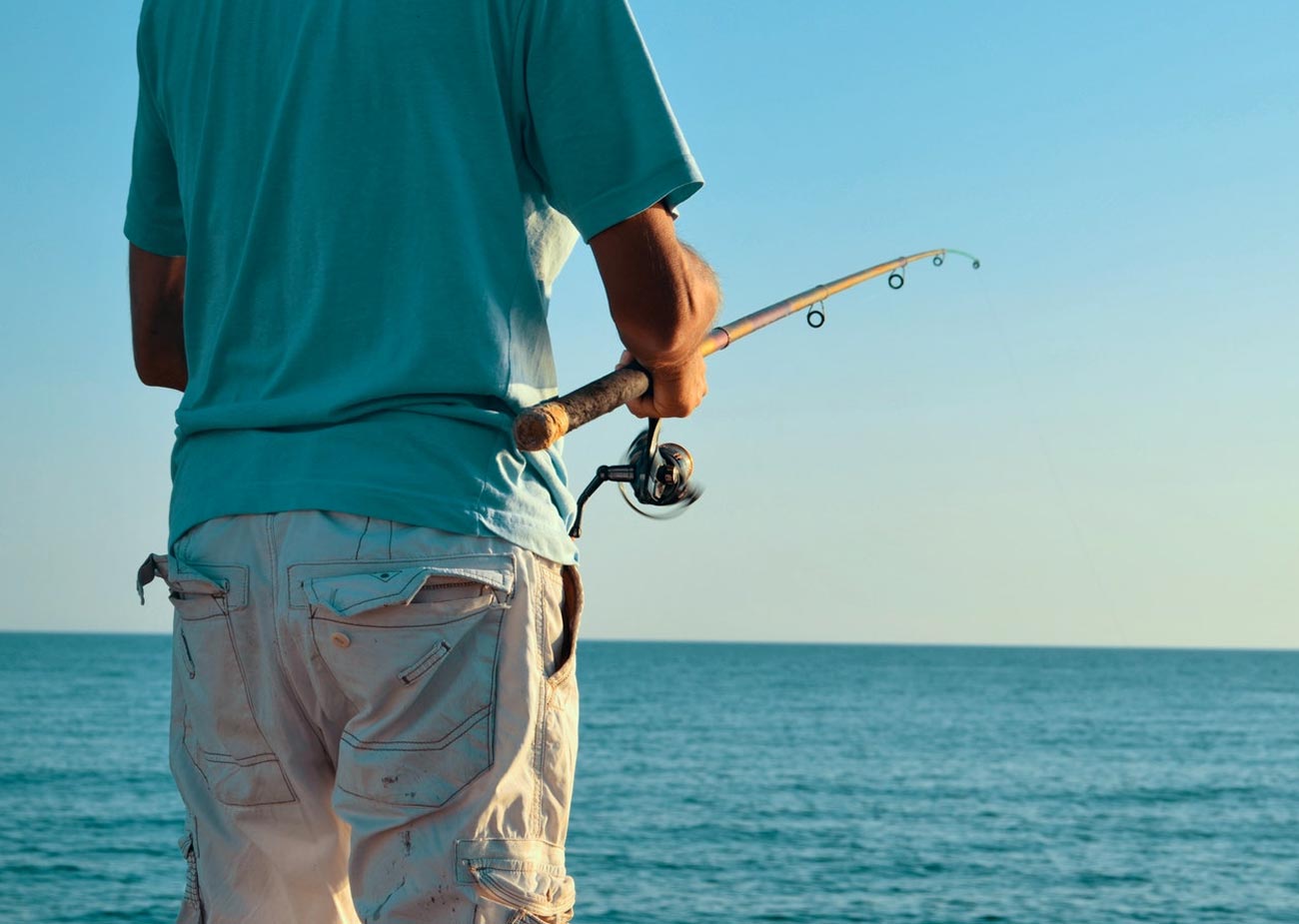
Fishing in Cuba
If you are looking for a little online guidance before getting in touch with one of our Cuba experts, we’ve put together some tips on the best times to travel to Cuba according to weather and holiday prices.
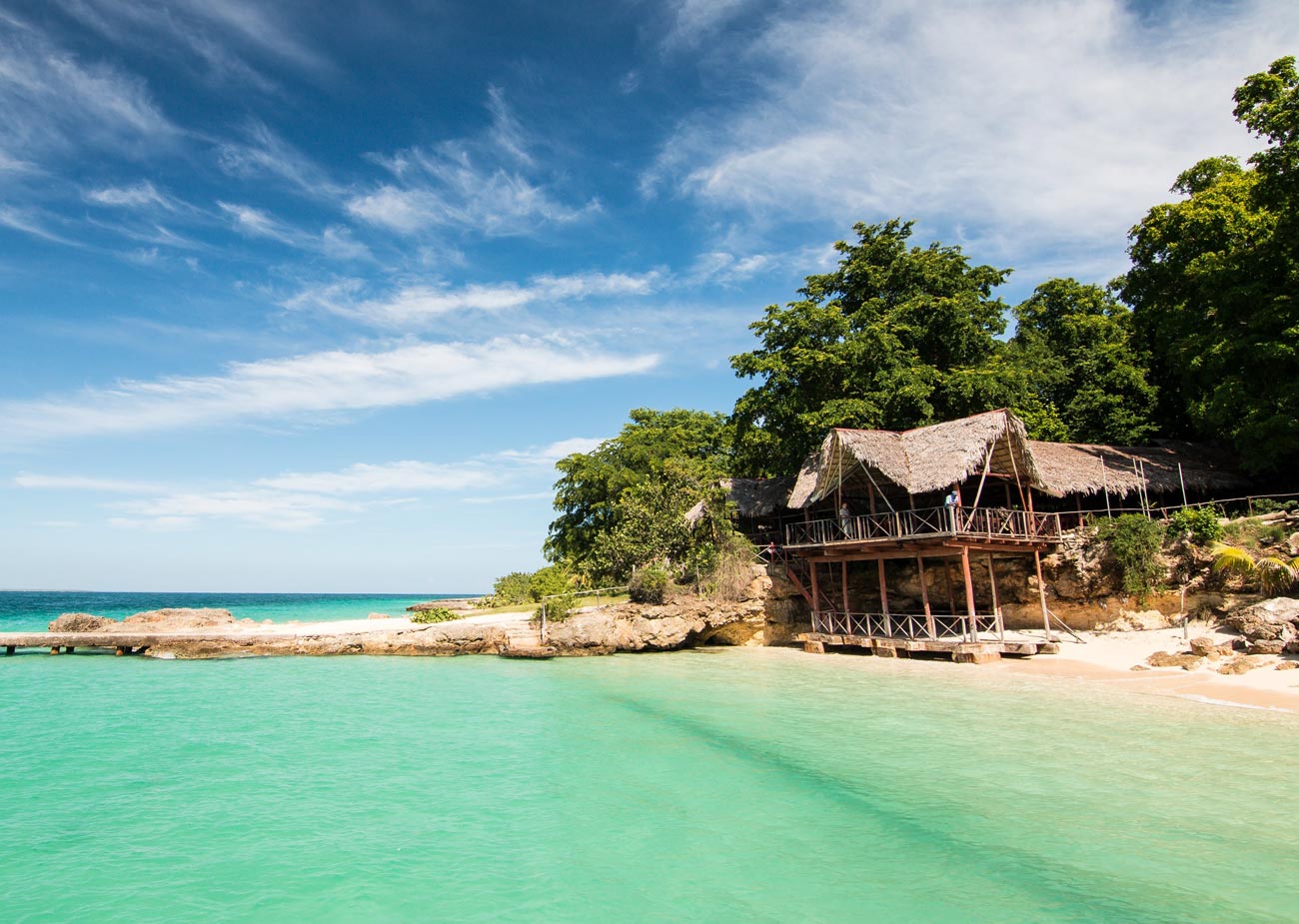
When is the Best Time to travel to Cuba?
If you are looking for a little online guidance before getting in touch with one of our Cuba experts, we’ve put together some tips on the best times to travel to Cuba according to weather and holiday prices.
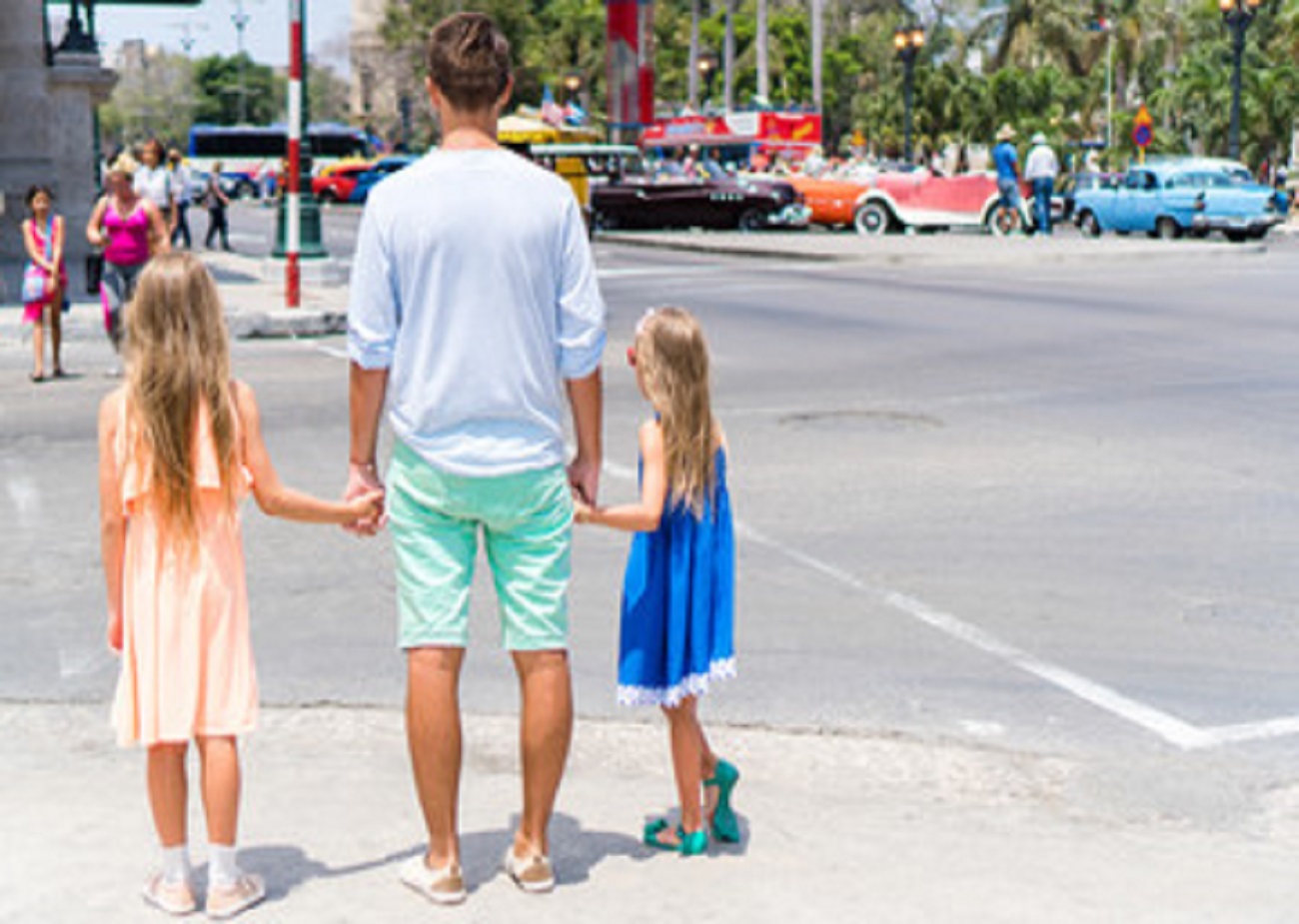
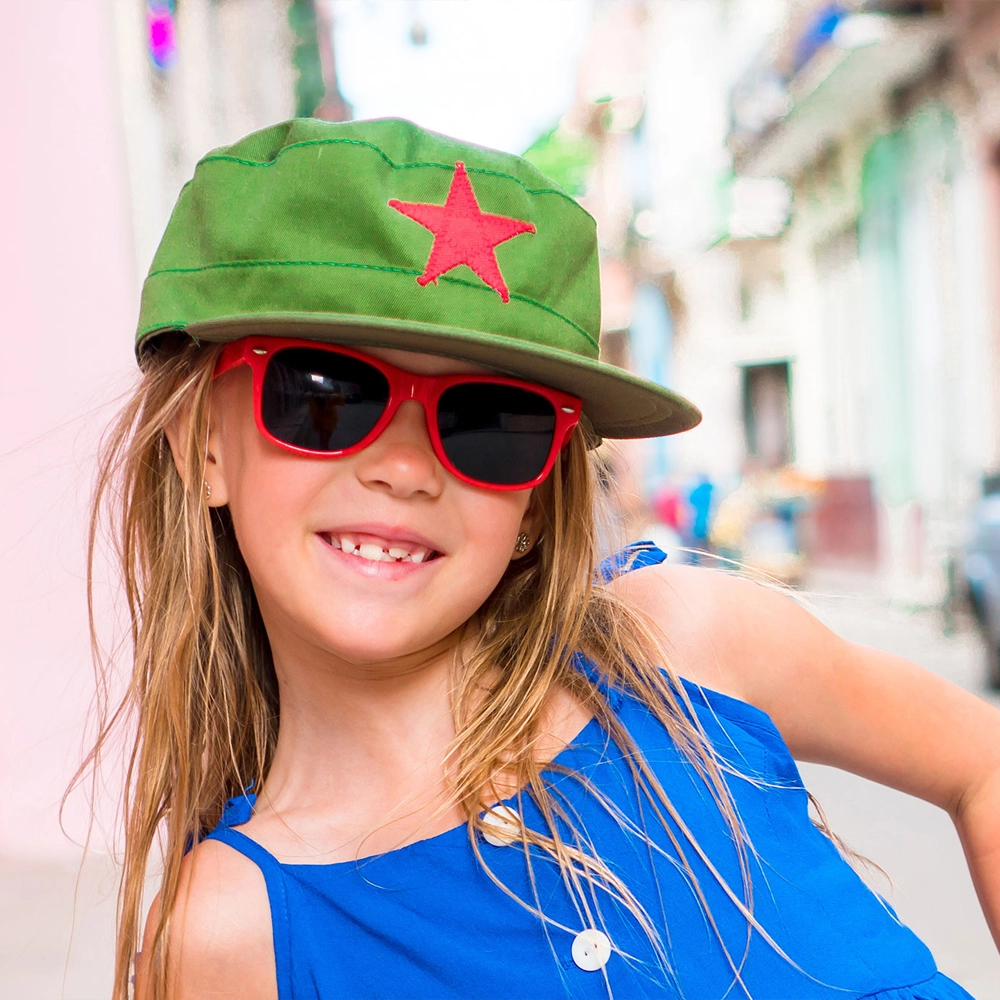
Havana with Children
Whether you are looking for resort hotels with family concierge services, or authentic local experiences to engage your little ones with local life and showing them something new, we can help with everything. Plus, you’ll have our team on hand


Already know what you want or need inspiration?
We’d be happy to answer all of your questions. Give us a call to start planning your tailormade holiday.
Call us on +44 (0) 1438 419 111 or click below to send us a message.